
8 clear signs it’s time to upgrade your veterinary practice management software
Investing in a new practice management system can have a significant impact on your business. But how do you know when you’re due for an upgrade?
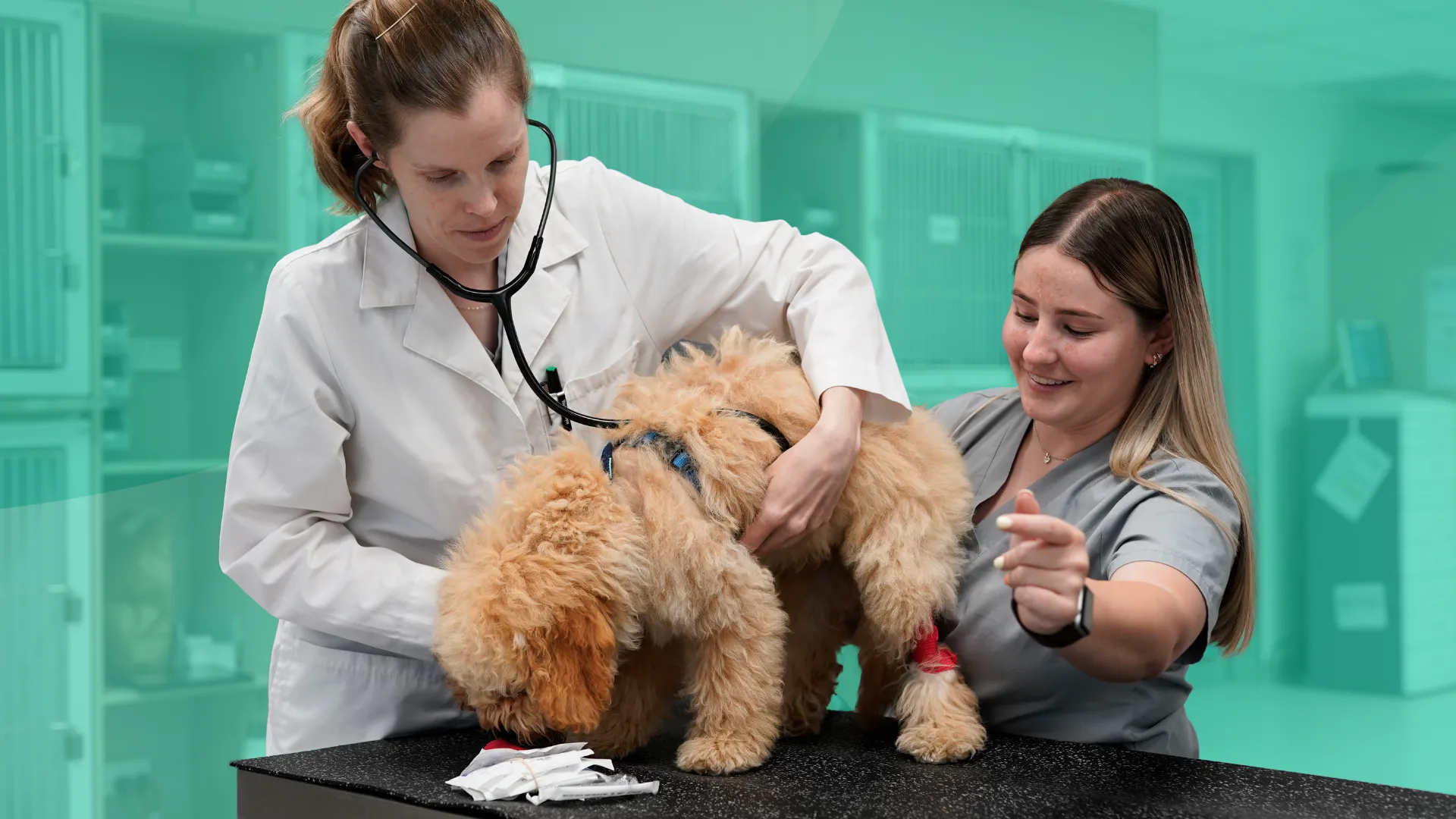
Efficiency is an important ingredient in the success of any veterinary practice. And while there are many factors that contribute to an efficient operation, your practice management system can play a significant role. If you’ve been running into challenges in your day-to-day operations, it could be a sign that it’s time to consider upgrading your practice management software.
Upgrading your practice management system can have a significant impact on your business and provide you with tools that may help streamline operations, support patient care, and improve practice performance. But how do you know when you’re due for an upgrade?
In this blog post, we’ve rounded up eight common indicators that could suggest an upgrade is in order.
1. Your technology is ancient
Practice management systems have come a long, long way over the years. If you’re operating on a traditional server-based or paper-based system, you may be missing out on features that could help improve efficiency, such as automated communication, electronic whiteboards, remote accessibility, software integrations, and more.
Not sure if your system is still fit for purpose? Here are a few questions to ask yourself:
Is your current software system outdated or unsupported?
Are you experiencing frequent software crashes, slowdowns, data loss, or other technical issues?
Does your current system lack the necessary features and tools to meet your practice needs?
If you answer yes to any of these questions, it may be time to consider upgrading your veterinary software. Investing in a modern and reliable system may help improve efficiency, productivity, and information accessibility across your practice.
2. People are unhappy with the software
Perhaps the most obvious sign that it’s time for an upgrade is to listen to what people have to say about your current software.
Your people on the front lines, the ones who are interacting with your system every single day, know the software inside out. They’re intimately familiar with all of its quirks and frustrations and will be more than happy to give you some honest (often brutally honest!) feedback about it. If you consistently hear concerns or dissatisfaction with your current practice management system, there’s a good chance that you’re due for an upgrade.
Your customers are a valuable source of feedback, too. If your practice management software is damaging the customer experience (due to payment processing issues or forgetting to manually send appointment reminders), you’ll undoubtedly hear about it. Watch for patterns and be sure to take this feedback into account when shopping around for a new system.
3. You’re wasting time on repetitive manual tasks
As staffing issues continue to plague the animal healthcare industry, it’s never been more important for veterinary practices to use their resources efficiently.
That’s a big question if you’re working with an outdated system. So, if you find that your practice is experiencing inefficiencies in day-to-day operations, it may be time to upgrade your veterinary software.
Here are some common signs of operational inefficiencies:
Long wait times for appointments.
Difficulty managing patient records.
Staff regularly must stay late to complete their work.
Inability to track inventory and supplies.
Inefficient billing and payment processes.
Modern practice management software can automate routine processes, allowing your team to spend more time on patient care and less time on repetitive admin work. Streamlining your daily tasks can help improve efficiency and reduce administrative burden across the practice.
4. You keep missing charges
Many veterinary practices identify missed charges as a common operational challenge. Depending on the size of the practice and billing processes used, missed charges can have a meaningful financial impact. This can obviously have a major impact on profitability, resourcing, and financial reporting. If you’ve identified a pattern of billing discrepancies in your practice, it might be time to consider a new system.
Some practice management solutions minimize the risk of missed charges by automatically capturing all billable products and services and adding them to the client’s invoice. Not only does this help improve billing accuracy and streamline invoicing workflows, but it also helps reduce the manual workload associated with billing processes.
“I definitely think that ezyVet supports our profitability and our numbers clearly show that,” says Kristina Baltutis, co-owner of Elon Oaks Veterinary Hospital, North Carolina. “It’s a lot harder to miss charges with ezyVet than it is with other systems. Everything you do, say, you put through a diagnostic request, or enter a procedure, activates a billing trigger, which helps us reduce missed charges and allows for greater billing consistency.”
5. Your other tools don’t integrate with your practice management software
Do your staff have to manually copy data from your practice management software and paste it into other programs? Find yourself frequently Alt-Tabbing between applications? If so, there’s a good chance that it might be time for an upgrade.
Modern practice management systems can integrate with other business tools, allowing you to create a solution tailored to your requirements. Whether you want to link up your diagnostics equipment, payment processes, or accounting software, an integrated solution allows data to flow seamlessly between applications, eliminating redundant data entry and minimizing the risk of human error.
ezyVet integrates with more than 100 tools and applications [1] designed to support veterinary practices. Check out the full list here.
6. Information is difficult to access
Communication issues are another surefire sign that your current practice management system might be getting a little long in the tooth. Paperwork might go missing. Patient progress may not always be clearly communicated between team members. Locating and sharing information, both internally and with customers, might start to feel like a chore.
Here are some other common communication-related symptoms:
Staff are running around trying to get patient updates.
Staff spend a lot of time looking for paperwork.
Miscommunication between team members.
Patient handovers are inefficient.
The phone’s ringing off the hook with customer queries.
Upgrading to a cloud-based practice management solution can give team members access to information in real time from internet-connected devices, depending on user permissions and connectivity. Automated communication tools may also help support client engagement and practice workflows.
Improving information sharing and collaboration can help practices work more efficiently and support better coordination across teams.
7. You’re struggling to grow
If your practice is expanding, you might experience some growing pains related to your practice management software.
Outdated software may not be designed to handle the increased volume of data and transactions, resulting in sluggish system performance, delays in patient care, and a dip in client service quality. Depending on your setup, your IT infrastructure might require upgrades, resulting in significant disruption and costly downtime.
In contrast, many cloud-based practice management solutions are designed to support growth and changing operational requirements. Whether you're expanding locations, broadening services, or adding users, cloud-based systems may provide flexibility as your practice evolves.
For Robert Lower, founder of Optivet, England, scalability was one of the key considerations when purchasing a new practice management solution:
“When I was looking for a management software system, it was important to me that it could grow with us. We're now looking at setting up a second site. It's going to be a very easy operation to be able to just transfer all of our knowledge and information that we have now deployed within ezyVet to a second site.”
8. You’re making business decisions based on feelings, not data
Most business decisions should be based on data. However, if you’re operating on an outdated system, getting your hands on that data might be easier said than done. Your reporting capabilities might be limited or manual-intensive, resulting in major data blind spots that make it impossible to make informed business decisions.
Modern practice management software can automate many reporting processes and provide greater visibility in different areas of the business. Access to timely information can help support more informed operational and business decisions.
Conclusion
Investing in a new practice management system isn't just a technological upgrade; it can be an opportunity to support efficiency, improve workflows, and better position your practice for future growth. Evaluating your current processes and technology needs can help determine whether it's the right time to make a change.
Want to learn more about what state-of-the-art practice management software could do for your business? Book a free demo today.
Reference
1. Data on file at IDEXX.
Individuals providing testimonials or quotes on this website may have received nominal consideration in connection with their participation.


